Wondering if that perfect hunting or weekend parcel near New Lisbon is really as usable as it looks online? You are not alone. Recreational land can offer privacy, outdoor access, and long-term potential, but it can also come with questions about access, zoning, wetlands, and utilities that are easy to miss at first glance. If you are thinking about buying land in the New Lisbon area, this guide will help you focus on the checks that matter most before you fall in love with the acreage. Let’s dive in.
Start With Jurisdiction and Access
When you buy recreational land near New Lisbon, one of the first things to confirm is who governs the parcel. That may sound simple, but land inside the City of New Lisbon can follow a different path than rural parcels in unincorporated Juneau County.
The City of New Lisbon keeps ordinances online and provides a GIS map with a Property App and Zoning App. For rural and county parcels, Juneau County’s public GIS service includes parcel boundaries, roads, driveways, easements, survey lines, lot lines, wetlands, floodplain, streams, lakes, rivers, and recreation layers. That makes jurisdiction your first filter, not an afterthought.
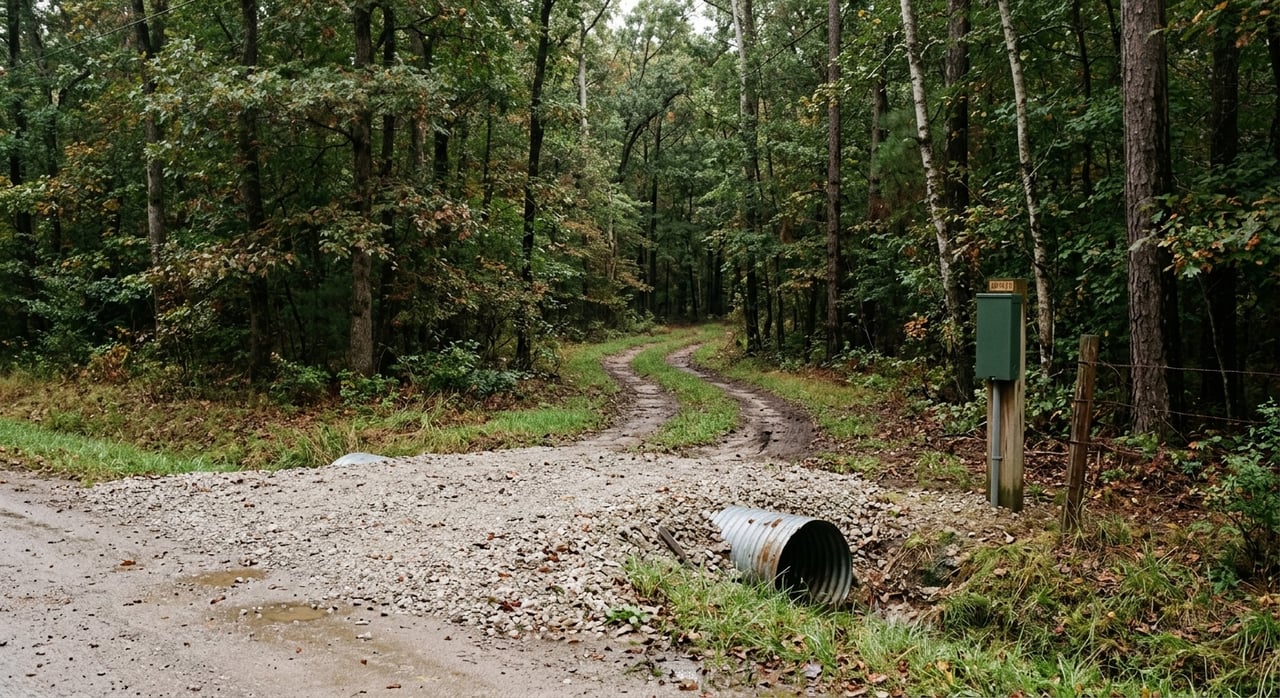
Access is just as important as location. A trail on a map or a path through the woods does not automatically mean you have legal access. Before you focus too much on price, you want to review road frontage, recorded easements, and parcel layout to make sure you can actually get to the property in a lawful, reliable way.
Why map access is not enough
County maps are a great screening tool, but they are not the final word on boundaries or access. Juneau County notes that parcel maps are not a substitute for a properly conducted field survey by a professional land surveyor.
That matters because a recreational parcel can look straightforward online and still have boundary or access questions on the ground. If a parcel is one you are seriously considering, a survey can help confirm what is actually being bought.
Check Land-Use Limits Early
A beautiful parcel near water can come with more rules than an inland property. In unincorporated Juneau County, the county’s shoreland ordinance applies within 1,000 feet of navigable lakes, ponds, and flowages, and within 300 feet of navigable streams, or to the landward side of the floodplain, whichever is greater.
That means land that feels remote or lightly improved may still fall under shoreland review. If your long-term plan includes a cabin, campsite improvements, or future construction, this step matters right away.
Shoreland size standards matter
For unsewered shoreland lots, minimum lot-size standards apply. The standards include a minimum average width of 100 feet and a minimum area of 20,000 square feet.
This does not mean every parcel near water is off the table. It does mean you should avoid assuming a lot is buildable just because it has water nearby or because another nearby property has improvements.
Floodplain and wetlands can change your options
Wetlands and floodplain areas can affect how you use the land and what permits may be needed. Juneau County’s permit application notes that wetlands can be difficult to identify, and it tells applicants to attach Army Corps or Wisconsin DNR permits if required.
The county GIS lets you pre-screen both floodplain and wetlands before you visit the property. That simple step can save you time and help you avoid making plans that do not fit the parcel’s actual limitations.
Near-water parcels may need added permits
Juneau County’s rural building procedures state that a county building permit is required if the site is within 1,000 feet of a lake, pond, or flowage, within 300 feet of a river or stream, or within a floodplain. For buyers, the takeaway is simple.
A parcel can be ideal for hunting, camping, or weekend use and still involve more permitting than you expected if you later decide to build. That is why land-use screening should happen before you negotiate as if the parcel has future building potential.
Treat Septic and Well Feasibility as Make-or-Break
For many recreational buyers, the dream starts with raw land and grows into a future cabin or home site. If that sounds like you, septic and well feasibility should be near the top of your checklist.
In rural Juneau County, the county says the sanitary permit comes first. The local process calls for an approved soil description report from a certified soil tester, along with a septic plumbing plan and sanitary permit application submitted by a licensed plumber, before moving to the county or township land-use and building permit step.
Septic is not a late-stage detail
The county’s permit application says the site plan should show the well, septic tank, and absorption field. It also notes that township permits may be required.
That is a good reminder that utility feasibility is not something to look at after your offer is accepted. If the parcel may someday support a cabin or home, you want those questions addressed early.
Well planning takes its own process
Wisconsin DNR requires advance notice before construction of a new private well that is not a high-capacity well. A notification number must be obtained before construction begins, and wells are to be constructed by a licensed water well driller, with limited owner-built exceptions.
If a seller says there used to be a well on the property, it is smart to verify the records. Wisconsin DNR’s well database stores well construction reports that may include depth, geology, construction method, water depth, and yield, although older wells may have incomplete records or no report at all.
Utility Questions Are Different in the City
If a parcel is inside the City of New Lisbon, utility research looks different than it does on rural land. The city’s utility page says the Utility Office handles electric, water, and sewer billing, the Water and Sewer Department operates the wastewater plant, water wells, and water mains, and the Electric Department maintains the city distribution system.
That can simplify some questions compared with a rural parcel that may need private well and septic review. Still, you should confirm exactly what serves the parcel rather than assume based on nearby development.
Use a Smart Public-Records Workflow
One of the best ways to avoid surprises is to review public records in a practical order. A little structure upfront can help you compare the seller’s description with what the parcel records actually show.
A good first pass is to use the Juneau County Web Portal to review current and historical property data, documents, permits, and the linked GIS map. After that, LandShark can help with deed and tract research to confirm ownership history and recorded documents.
A simple screening sequence
Before you get too attached to a property, work through these steps:
- Confirm whether the parcel is in the City of New Lisbon or unincorporated Juneau County.
- Review parcel lines, roads, driveways, and easements in GIS.
- Check floodplain, wetlands, streams, lakes, and landcover overlays.
- Compare the GIS information with the seller’s description.
- Review permit history and recorded documents.
- If the parcel is a strong candidate, talk with the right local professionals in the right order.
For city parcels, use the city’s ordinances and GIS tools along with county records. For rural parcels, the county GIS and county permit guidance are often your strongest first screening tools.
Buildable Someday Is Not the Same as Buildable Today
This is one of the biggest misunderstandings with recreational land. Buyers often ask if a parcel is buildable, but the more accurate question is whether it is buildable based on current zoning, shoreland or floodplain status, wetland constraints, septic feasibility, and well feasibility.
That is why broad assumptions about an area do not help much. Near New Lisbon, parcel-specific due diligence matters more than general impressions about the road, the neighborhood, or the amount of acreage.
The right team often matters
On recreational land, due diligence usually requires more than one expert. Juneau County’s procedures point buyers toward county zoning or sanitation staff, a certified soil tester, a licensed plumber, and the DNR well process. In many cases, a surveyor is part of that process too.
This is where experienced local guidance can make the process feel far less overwhelming. Knowing who to call and in what order can save you time, money, and frustration.
Focus on the Right Order
If you are comparing several parcels near New Lisbon, it helps to follow a consistent order. Acreage alone does not tell you whether land is usable, buildable, or easy to hold long term.
A smarter sequence is this:
- Access
- Jurisdiction
- Shoreland, floodplain, and wetlands
- Septic feasibility
- Well feasibility
- Price
That order may not be the most exciting part of buying land, but it is the part that protects you. It also helps you separate a promising parcel from one that only looks good in photos.
If you are considering recreational land near New Lisbon, having a local team that understands rural and land-focused due diligence can make the search much more practical. At Katie Pfaff, we help buyers think through the real-world questions that come with Central Wisconsin land so you can move forward with more clarity and confidence.
FAQs
What should you check first when buying recreational land near New Lisbon?
- Start by confirming the parcel’s jurisdiction and legal access, then review zoning, shoreland, floodplain, wetlands, septic feasibility, and well feasibility before focusing on price.
How do you know if land near New Lisbon has legal access?
- Review road frontage, recorded easements, survey lines, and deed records, because a visible trail or path does not automatically mean you have legal access.
Do shoreland rules affect recreational parcels in Juneau County?
- Yes. In unincorporated Juneau County, shoreland rules apply within 1,000 feet of navigable lakes, ponds, and flowages, and within 300 feet of navigable streams, or to the landward side of the floodplain, whichever is greater.
Can wetlands or floodplain status affect future building plans near New Lisbon?
- Yes. Wetlands and floodplain areas can limit use and may trigger additional permits, so they should be screened early through county GIS and permit guidance.
What do you need to know about septic on rural land in Juneau County?
- The county says the sanitary permit comes first, and the process includes a soil description report from a certified soil tester plus septic planning submitted by a licensed plumber.
Are utility questions different for land inside the City of New Lisbon?
- Yes. City parcels may involve municipal electric, water, and sewer systems, while rural parcels often require separate well and septic feasibility review.