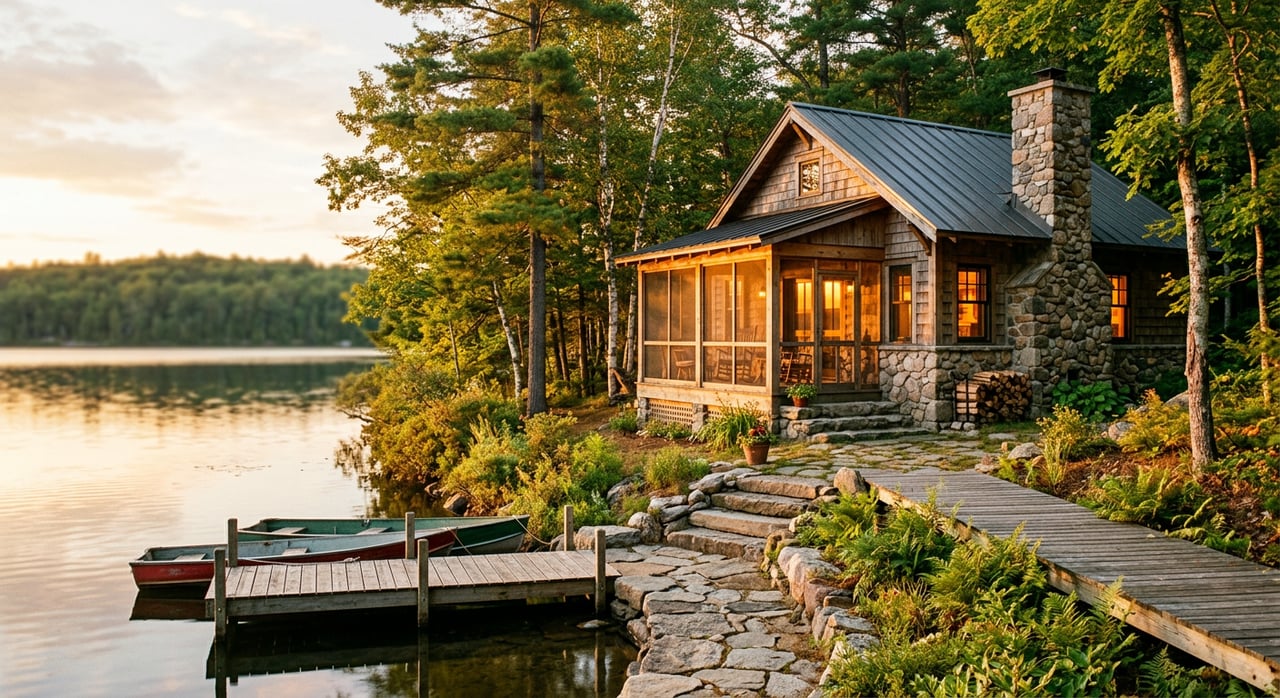
Imagine stepping onto your deck with coffee in hand, the water just a short walk away and the day wide open for boating or a quiet paddle. If you’re eyeing a lake cabin near New Lisbon, you’re not alone. The Castle Rock Lake area draws buyers for its size, access, and easy-going lake lifestyle. In this guide, you’ll learn what to look for, what rules matter, and how to buy confidently. Let’s dive in.
Why Castle Rock Lake works
Castle Rock Lake is one of Central Wisconsin’s largest recreational lakes. It spans Juneau and Adams counties and supports boating, fishing, snowmobiling, and year-round fun. With a range of cabins and cottages, you can find places set up for weekend getaways or for more extended stays.
What makes buying here different is the mix of shoreline rules, private systems like wells and septics, and seasonal access details. A little upfront homework goes a long way toward a smooth purchase.
Property types and access
Riparian vs shared access
When you buy on or near the water, your rights depend on the lot type.
- Riparian parcels touch the water and carry certain water rights, including the ability to place a pier, subject to state and county rules.
- Non-riparian lots might include a recorded path, an HOA beach, or a shared access easement. Always read the deed and confirm easements through county records. This is the source of truth for who controls access and how you can use it.
Shoreland zoning and setbacks
Shoreland zoning applies to most properties within a set distance of the water. It controls what you can build and where you can build it. Wisconsin’s state minimum standard requires most structures to be at least 75 feet from the ordinary high-water mark. Counties enforce these standards and may have additional rules. Before you plan an addition, verify your lot’s status and setbacks using the state’s shoreland guidance and county zoning staff. You can review the state overview in the Wisconsin shoreland zoning guide from the DNR.
- Key rule to remember: 75-foot building setback from the ordinary high-water mark. See the DNR’s shoreland zoning summary for details.
Read the Wisconsin shoreland zoning guide
Docks, piers, and boathouses
Cabin buyers often ask about piers. Many small private piers meet exemption criteria and do not need a DNR permit, but exact sizes and placements are regulated. The DNR’s pier planner explains when a pier is exempt, how wide it can be, and how platforms are counted. It also covers boat shelters and boathouses, which face tighter limits. Ask for any existing permits and whether a pier is a legacy (pre-2012) structure.
- Confirm three things: permits on file, whether the pier is grandfathered, and the frontage measurement used to calculate slips.
Shoreline work and vegetation
Shoreline changes like riprap, fill, or bank stabilization usually need approval from the DNR and the county. Vegetation in the shoreland zone is regulated to protect water quality. Ask sellers for records of prior shoreline work and permits. This history can affect your future plans.
See shoreland vegetation and permit basics
Public launches and convenience
If a property does not have a private dock or if you plan to keep a boat on a trailer, public launch locations matter. Juneau County maintains several ramps on Castle Rock Lake, and each has its own layout, parking, and seasonal rules. Confirm your closest launch and any fees.
Explore Juneau County boat launches
Wells, septic, and utilities
Private well testing
Most cabins rely on a private well. Wisconsin recommends annual testing for bacteria and nitrates, with additional tests based on local geology or known issues. If recent certified results are not available, plan to test during your contingency period. At a minimum, test for total coliform and E. coli, and nitrates. Consider arsenic or radium where geologically plausible, and PFAS if there are local concerns.
Follow the DNR’s private well testing guidance
Well records and construction
Ask for the well construction report, sometimes called the driller’s log. It shows the well depth, casing, age, and materials. If the seller does not have it, you can often obtain it through state or county records.
Learn about private well records
Septic systems in Juneau County
Private Onsite Wastewater Treatment Systems (POWTS) cover most lake cabins. Juneau County requires sanitary permits for new installs, repairs, and reconnections. Ask for system type, age, as-built drawings, permits, and pumping records. If information is missing, consider a septic evaluation by a licensed professional as a contract contingency. Also check with the county on any transfer or inspection requirements in place at the time you buy.
Check Juneau County sanitation and septic info
Utilities, internet, and fuel
Rural electrical service is common around Castle Rock Lake, but line extensions can add cost. Internet speeds vary by street and development, so ask sellers for their provider and recent speeds. For heating, confirm whether the cabin uses natural gas, LP/propane, electric, wood, or a combination. If you plan to visit in winter, capacity and reliability matter.
Seasonal use and lake realities
Road access and winter
Some cabins sit on private drives or roads maintained by an association. Ask who plows in winter, what the dues or agreements cover, and whether any shared road easements apply. If you ride UTVs or snowmobiles, verify legal trail access and the rules for crossing private land. Always confirm access details with town or county staff and review recorded documents.
Boating stewardship and invasives
Help keep the lake healthy by following clean, drain, dry best practices at the end of each outing. Local lake groups and county partners often run Clean Boats Clean Waters programs that check boats for invasive species and provide education.
See local stewardship efforts from Petenwell & Castle Rock Stewards
Fish and health advisories
Parts of Castle Rock Lake have had PFAS-related fish consumption advisories in recent years. If you plan to fish and eat your catch, review the latest DNR and DHS advisories. These change with new testing.
Read current fish advisory updates
Flowage levels and drawdowns
Castle Rock Lake is a flowage formed by a dam, so water levels can fluctuate with seasonal drawdowns or operations for hydropower and fisheries. Ask about local patterns, shoreline erosion history, and how changing levels might affect your dock setup.
Get an overview of the Wisconsin River flowage segment
Insurance, rentals, and taxes
Lakefront insurance can be higher due to wind and water exposure. Flood insurance may be needed if a property lies in a mapped floodplain. If you plan to do short-term rentals, check town and county regulations, and any HOA or subdivision covenants. For taxes, look up the parcel history and confirm any special assessments.
Check county floodplain mapping resources
Buyer due-diligence checklist
Use this list to shape your questions and contingencies.
- Title and deed: Confirm waterfront frontage, recorded easements, rights of way, and HOA covenants. Clarify who controls shared access areas.
- Shoreline structures: Request copies of DNR or county permits for docks, boat shelters, seawalls, and riprap. Confirm dates of any shoreline work and whether the pier is a legacy structure.
- Resource: DNR pier planner
- Shoreland zoning: Verify the ordinary high-water mark, building setbacks, and whether the parcel lies in the shoreland or wetland zone.
- Resource: Wisconsin shoreland zoning guide
- Well: Ask for the well construction report and certified water test results for coliform/E. coli and nitrates. Add tests if local issues suggest it.
- Resources: DNR well testing and DHS private wells
- Septic: Request system type, age, as-built location, permits, and pumping records. If records are incomplete, add a septic evaluation contingency.
- Resource: Juneau County Sanitation and Zoning
- Floodplain: Check FEMA and county flood maps for base flood elevation and insurance implications.
- Resource: Juneau County GIS hub
- Environmental advisories: Review current DNR/DHS fish advisories and ask about invasive species outreach near your preferred launch.
- Resources: DNR updates and PACRS
- Utilities and access: Confirm electricity and internet providers, any costs to extend service, and winter plowing responsibilities. Ask for copies of road or access agreements.
How we help at Pfaff Properties WI
Buying a lake cabin is about more than square footage. It is about how you will use the shoreline, your comfort with private systems, and whether the property fits your year-round plans. As a New Lisbon-based, family-run team focused on Castle Rock Lake and nearby waters, we help you read the fine print and make confident choices.
Here is what you can expect from us:
- Local insight on micro-areas and access options so you know the tradeoffs before you offer.
- Practical guidance on shoreland rules, piers, wells, and septic so your contingencies are clear and actionable.
- A calm, organized process from search through closing, with honest advice at each step.
When you are ready to explore cabins near New Lisbon, we are here to help you weigh options and move at your pace. Start the conversation with Katie Pfaff. Let’s find your place in Wisconsin.
FAQs
What is the building setback from Castle Rock Lake?
- Wisconsin’s state minimum shoreland standard requires most buildings to be at least 75 feet from the ordinary high-water mark. Always confirm setbacks with county zoning and the DNR’s shoreland guidance.
Do I need a DNR permit for a private pier?
- Many small piers qualify for exemption if they meet size and placement rules, but you should verify details. Ask for any existing permits and check the DNR’s pier planner for current criteria.
How do I test a cabin’s private well before closing?
- Request recent certified results for coliform/E. coli and nitrates, then add tests based on local concerns. If results are outdated, plan testing during contingencies using the DNR’s well testing guidance.
What should I know about fish safety on Castle Rock Lake?
- Certain segments have had PFAS-related fish consumption advisories. Review the latest updates from the DNR and DHS and follow the recommended meal limits for species and sizes.
Where are public boat launches on Castle Rock Lake?
- Juneau County operates multiple launches around the lake. Check the county launches page for locations, parking, and any seasonal rules or fees.
How do water level changes affect docks on a flowage?
- As a dam-controlled flowage, levels can fluctuate. Ask about local drawdown patterns, shoreline erosion history, and whether your dock setup will need seasonal adjustments.